
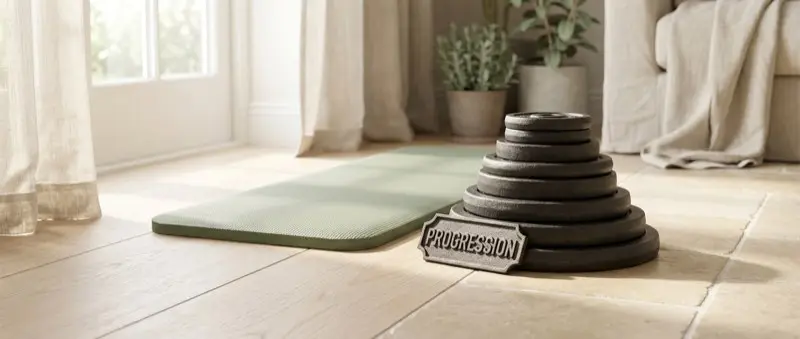
Strength and balance training
Progressive resistance and balance work support everyday function; digital, flywheel and core equipment provide different ways to train.
Label covers Resistance and balance training for function; not brand superiority
Availability At home
What it is
Strength and stability frameworks organize resistance exercise, balance and mobility into a repeatable routine. Training can use bodyweight, free weights, resistance machines or digital equipment. The shared principle is progressive loading matched to the person's capacity.
Why people follow this protocol
People train to remain capable of carrying shopping, rising from a chair and moving confidently. Preserving physical function is a healthspan goal, while easier everyday movement also supports wellspan. A useful framework makes those goals concrete without requiring a particular machine.
How it's delivered
Digital systems provide adjustable resistance and guided sessions. Flywheel equipment uses a rotating mass that the user accelerates and brakes. Core-focused machines target selected movements within a broader routine. Each format needs appropriate technique and progression; a single movement doesn't replace training across the major muscle groups.
Where the evidence stands
The Established grade describes evidence supporting resistance and balance training for strength and physical function. CDC guidance for older adults includes both as recommended activity. Evidence for particular flywheel advantages is Insufficient evidence: a small randomized comparison found an advantage on one power test, without clear superiority across functional outcomes. Mortality associations for resistance exercise don't establish that a specific machine extends life. The trial distinguishes its findings across tests.
Longevity.io is for educational purposes only and is not medical advice. We may be compensated when you contact providers through Longevity.io; payment never affects ranking. People with chronic conditions or an injury need a suitable exercise plan. A qualified trainer or rehabilitation professional can help establish safe technique and progression.
Build your starting plan.
A few short questions, about two minutes. The Blueprint recommends where to start and explains why.
Build my Blueprint