
PRP Therapy
Availability In clinic
What it is
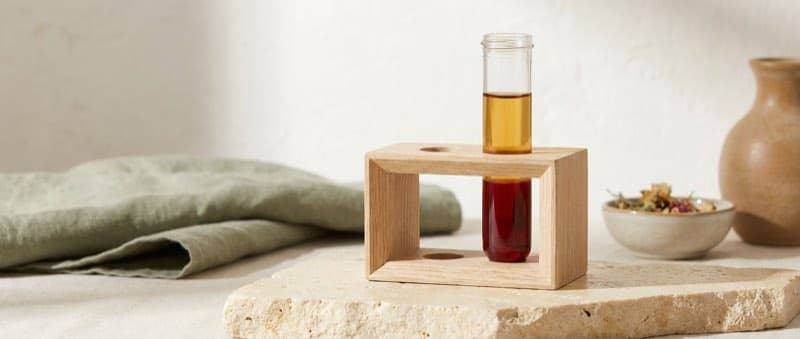
PRP starts with a blood draw, spun in a centrifuge to concentrate platelets and plasma. That concentrate gets injected into a sore joint or irritated tendon, worked into the scalp, or used alongside a skin procedure.
Why people choose this treatment
The appeal is using a person's own blood to aim a local repair signal right at the spot that needs it: a knee that won't settle, a stubborn tendon, thinning hair, or skin that needs a boost around a procedure.
How it's delivered
Delivery matches the target: injection into or around a joint or tendon, a series of scalp injections for hair, or PRP worked into skin during microneedling or another aesthetic procedure. Most plans call for more than one session.
Where the evidence stands
Orthopedic groups describe PRP as platelet-concentrated plasma usable around an injury or surgery, and dermatology groups discuss it for hair loss, while both note that protocols and outcomes vary by clinic. Platelet concentration, leukocyte content, and injection technique aren't standardized, so one clinic's PRP isn't guaranteed to match another's results.
Estimated cost
- $500–$1,500 per joint or orthopedic session
- $600–$1,200 per hair-restoration session, often a series of 3
- $500–$1,000 per skin/aesthetic session
- Rarely covered by insurance
Who offers it
Observed at Next Health, Fountain Life, Cenegenics, Hall Longevity, and Modern Age, among others.
Go deeper
The full guide, PRP Therapy for Joint Pain, Hair, Skin, and Recovery, separates PRP from stem cells and exosomes, and covers what a strong treatment plan should include.
Longevity.io is for educational purposes only and is not medical advice. Whether PRP fits your goal is a conversation for a clinician who can confirm the diagnosis first. Confirm preparation, technique, and session count directly with any provider.
Build your starting plan.
A few short questions, about two minutes. The Blueprint recommends where to start and explains why.
Build my Blueprint